1 9 6 9 – 1 9 8 3
I didn't start in medicine. I started in a dance studio.
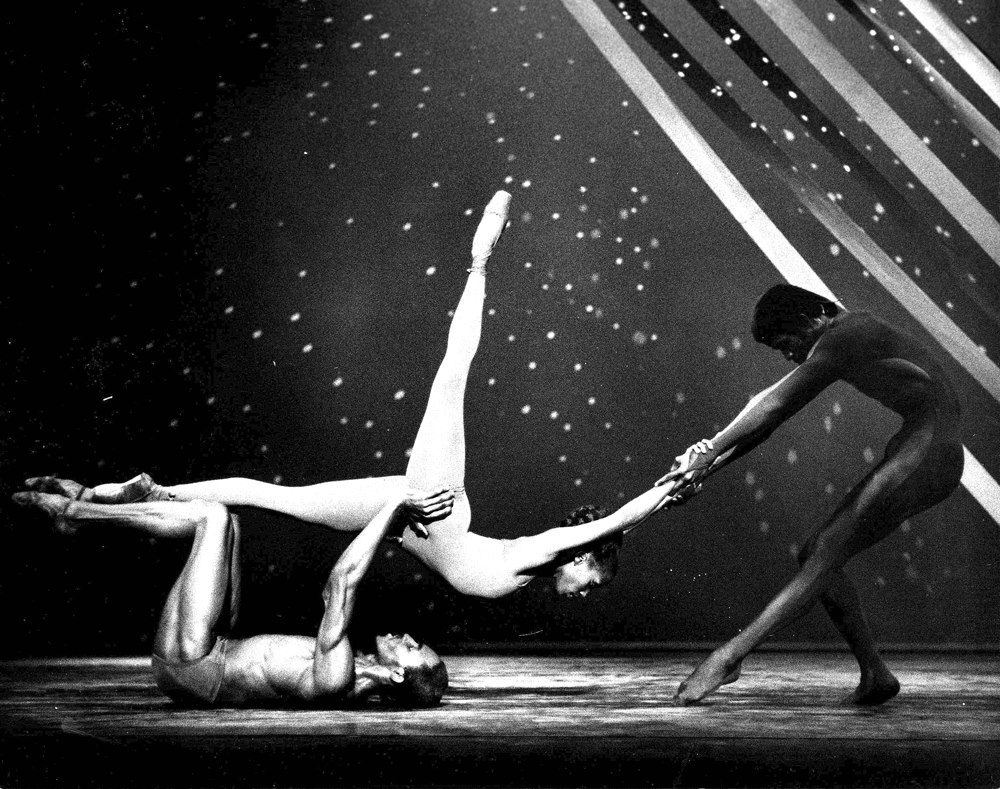
From 1969 to 1983, I danced professionally — principal roles with the Dance Theatre of Harlem, Atlanta Ballet, Princeton Ballet, and Eglevsky Ballet. Fourteen years of learning what a body can do when you train it with discipline, and what it tells you when you push past the edge, because “the show must go on.”
A ballet career teaches you to read signals. The tightness in a hamstring that means you're one rehearsal away from a tear. The fatigue that means your nutrition is off, not your commitment. I didn't know it at the time, but I was already practicing performance medicine. I just didn't have the labs yet.
That discipline — the obsessive attention to how a body performs under stress — carried into everything that came next.
T W E N T Y - F I V E Y E A R S I N T H E O R
I took the long way to the operating room.
Barnard College for my first year of premed, then six undergraduate schools — whichever campus had the courses I needed between touring the world with a ballet company. When I finally landed at Columbia University, College of Physicians & Surgeons for medical school, I'd already spent a decade learning to read a body. Now I was learning how to fix one.
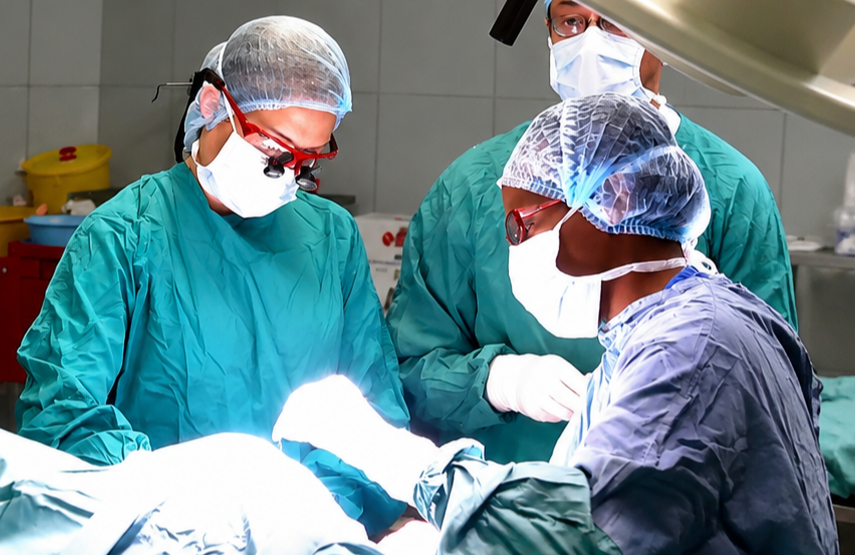
General surgery residency at ColumbiaPresbyterian. A colorectal fellowship there. Chief Resident of Plastic Surgery at Montefiore. A microsurgery fellowship. I spent twenty-five years in the OR, where a wrong cut costs a patient their face, their hand, their confidence. Precision was the job. It was also who I was.
Along the way, I traveled to Amman, Jordan, with the LEAP Foundation for humanitarian surgical aid — operating on patients who had no other option. That work reminded me why I picked up a scalpel in the first place.
What I didn't know yet was what happens when the surgeon becomes the patient.
T H E T U R N I N G P O I N T
Then sepsis nearly killed me.
Three ICU hospitalizations for blood clots — in my legs, in my lungs. The third time, I developed a fever with confusion. Although I knew something was wrong, I couldn't articulate the problem. The doctor on call thought antibiotics weren't necessary. It was a blessing that my husband was there to advocate for me and insist. He saved my life.
That moment changed everything. Not because it was dramatic — because it was ordinary. This happens every day. Smart, capable, wellcredentialed people get talked out of their own symptoms by physicians who aren't listening. High-achievers often. Women especially.
I was both.
T E D X M O R G A N S T R E E T W O M E N · M A R C H 2 0 2 6
I took that moment to a TEDx stage.
The talk was called “The $78 Billion Cost of Disbelief” — a number from the research on diagnostic delay, dismissal, and the downstream cost of not listening to patients who know their own bodies.
It was the talk that moved me from “private practice physician” to “person who says out loud what most physicians won't.” Not because I wanted a platform. Because I'd been the patient on the other side of that dismissal, and I knew how close it came to killing me.
Watch the TEDX talks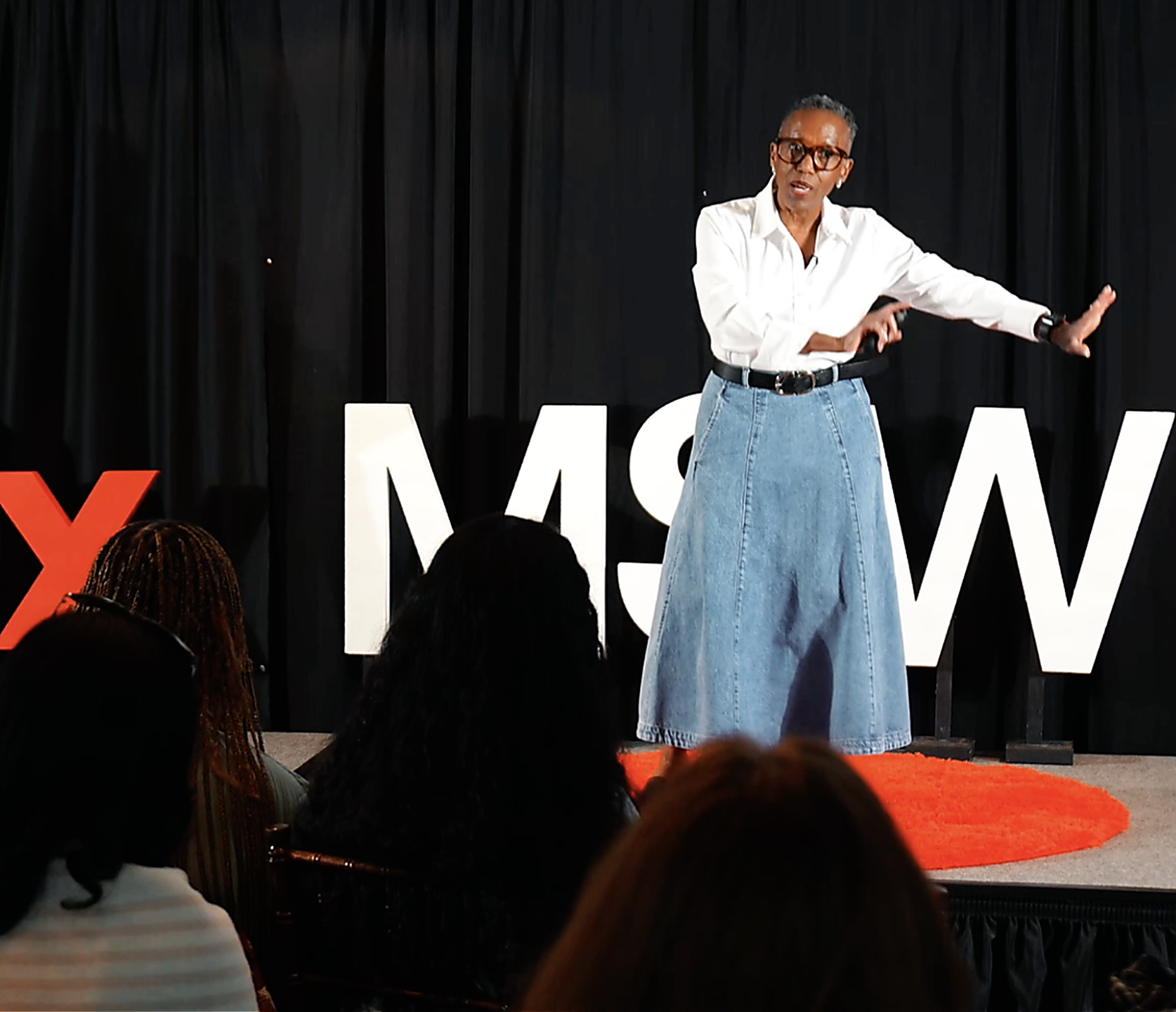
WHERE BALANCED PER FORMANCE CAME FROM
The recovery is the part that matters most.
Lying in a hospital bed, I had time to think about what medicine could be if you reached people before the crisis. Before the ICU. Before the diagnosis that rearranges their life.
That thinking became Balanced Performance. I pursued Applied Functional Medicine training. I developed hormone optimization protocols. I built the frameworks I now teach: the L3 Method™ — Listen, Let Go, Live. The LeanHormone™ Solution. The Executive Vitality Framework™
I didn't walk away from surgery because surgery was wrong. I walked away because I found a kind of medicine that reaches people before they end up on my table — or in an ICU bed like mine. That's what I do now: through the providers I certify, the stages I speak from, and the select 1:1 practice I still keep.
The dancer's discipline. The surgeon's precision. The patient's hard-won clarity about what it means when no one listens.
All of it led here.
C H O O S E Y O U R D O O R
The work continues.
Executive looking for 1:1? Start here →